General Health Information

Staff Training/Education Information
- Health/attendance clerks are trained annually by the district nurses on diabetes, asthma, and allergies.
- Medication administration is reviewed and hands-on skills are checked off.
- Seizure training is completed with all staff who works with students with seizures on an annual basis.
- Training on signs/symptoms of high and low blood sugars is done for teachers and administration at schools with diabetic students.
- G-tube bolus feeding training on a case by case basis.
Family Responsibilities
The health office at each school works closely with the teacher, student, and parent/guardian to keep everyone healthy. Below is important information and notices you should be aware of––
- It is the parent/guardian responsibility to maintain the emergency contact phone numbers on file with the student's school due to illness.
- Notify the Health/attendance office the first day your child is absent from school. This information enables the us to observe patterns of illness and offer additional support.
- Your child should be kept at home when they have a communicable disease, such as impetigo, pink eye, chickenpox, head lice, flu, etc. Your cooperation will help prevent the spread of these diseases. Please contact the school nurse for further information.
- Please communicate any special health needs to the District Nurse or Health Clerk. All health information is kept confidential.
Home Hospitalization Program
Students with Special Needs
- Food allergies
- Bee sting allergy
- Allergy to any other substance
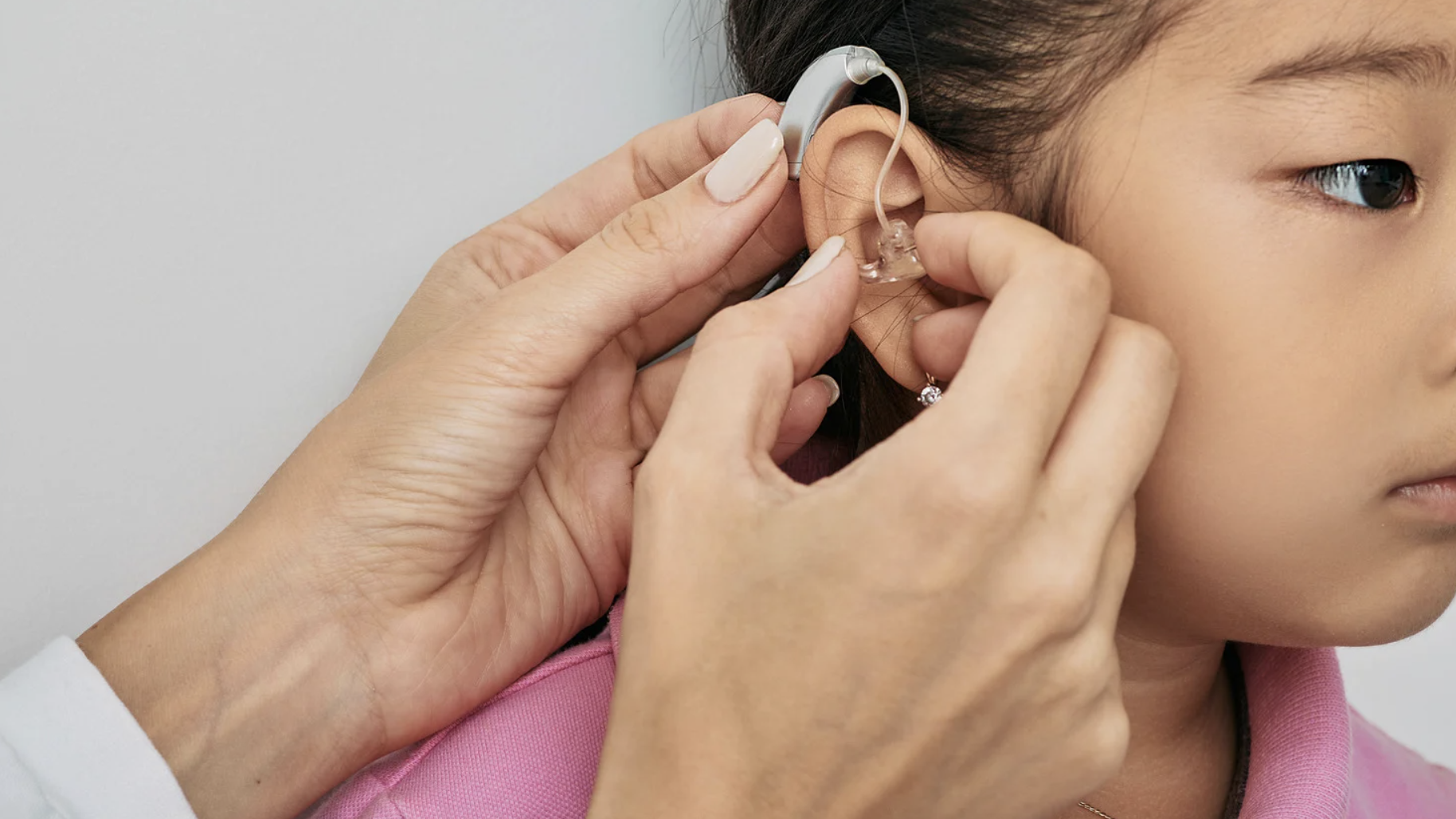
- Difficulty with vision, hearing, speech
- Need for medication during the school day
- Medical conditions such as asthma, diabetes, seizures, and others.
- Need for special aids such as crutches, walkers/wheelchairs, either temporary or permanent. These types of equipment, when used in school, must have a written statement/prescription from the physician. All equipment must be provided by parents/guardians.
- Need for specialized physical health care procedures such as tube feedings, catheterization, nebulizer use, etc. These procedures, when performed in school, must have a written statement/prescription from the physician. All supplies must be provided by parents/guardians.
Puberty Training
Puberty training is health education provided to all fifth grade students, unless they have been opted out. The curriculum, mandated by state law, teaches students about topics like, physical changes, reproduction, personal safety, and hygiene.
Local Health Resources

You are not alone in navigating your student's health. There are many supportive resources available. Below is a list of local health organizations and information we recommend––
Riverside County Public Health | RIVCO Public Health maintains a large team of medical professionals and resources to assist you and your families health needs.
Find a Medical Doctor | Easily search for a doctor using the Beaver Medical Group/Optum website.
Locate a Community Health Center | Find a health center closest to you and review the wide-range of services they provide.
Project Kind| Contact this charitable organization for free and reduced medical assistance for your child.
Care Solace| This website will connect you with a mental health care provider, substance use treatment, and social services based on your needs.
988 Lifeline| Easily call, text, or chat with a professional if you are experiencing a difficult moment. You are not alone.
Riverside County Children Services| Access a variety of resources from this county website, including how to become a foster parent.
Covered California| Receive estimates on your monthly insurance costs and see what other special programs you may qualify for to reduce your health insurance costs.
All In For Health| Access valuable health and community information for your family.
Neighborhood Healthcare | Comprehensive healthcare services for families.
American Diabetes Association| Access valuable health and community information for your family.
American Academy of Pediatrics| Learn about the importance of children's health.
Center for Disease Control| Gain the most up-to-date health information regarding vaccines, health risks, and more from this U.S. government agency.
Epilepsy Foundation| Review the signs and symptoms of epilepsy.
Asthma & Allergy Foundation| Explore the most recent news as it relates to asthma and allergies.
Food Allergy Research & Education| Learn the issues around food allergies and how to advocate for your child.